Skip navigation

Climate & Energy


Climate action can't wait.


Coal plants in NSW are reaping record profits. Every day they spew out more toxic pollution that is causing severe harm to human health, our waterways, wetlands and climate. The mining of coal to supply these plants is also a leading threat to nature in NSW - for example the plan to destroy vast swathes of the Gardens of Stone in the Blue Mountains

The good news, is that the climate action offers a chance to protect and enhance biodiversity. Read below to learn how renewable energy can reduce power bills, carbon emissions, and help prevent extinction across our state.


Coal is being propped up by public subsidies and weak or non-existent environmental protection laws. Ending these special deals will reduce NSW's emission, protect and restore our damaged ecosystems, cut power bills and ensure a safe climate.

We need to demand improvements to our nature protection laws and policies and programs to ensure that renewable projects protect and enhance biodiversity. Then, we can build a new energy system that benefits people and the planet.


SUPPORT THIS CAMPAIGN

Joint Statement: Strengthening NSW Renewable Energy Zones

The renewable energy transition is a once in a generation opportunity to bring transformative benefits to our regions in NSW. We have been working with our members and key community stakeholders in the New England and Hunter Renewable Energy Zones to understand how we can get the best outcomes for nature and communities. 

We are now excited to launch our joint statement, signed alongside 17 organisations, ‘Strengthening NSW Renewable Energy Zones: Joint policy recommendations to improve outcomes for nature and communities’. 

FIND OUT MORE


What does an energy transition that restores nature look like? 

An energy system that restores nature is one where a thriving renewables industry enhances biodiversity, ecosystem health and connectivity.  

FIND OUT MORE


What needs to change to ensure a nature positive energy transition?

We can have a clean energy future and protect our biodiversity – we just need to fix our broken planning system and environmental protection laws 

FIND OUT MORE


What will be the impact of getting off coal?  

Stopping the mining and burning of coal for energy will directly benefit nature. Climate change is already one of the leading drivers of biodiversity loss and will only get worse unless we act now.

FIND OUT MORE


How can we ensure our energy bills go down? 

By shifting from gas to efficient electric appliances in households, combined with getting more renewable projects online like wind and solar.  

FIND OUT MORE


Frequently asked questions 

Want more information? Read frequently asked questions and concerns about the shift to renewable electricity.

FIND OUT MORE


Coal-fired power dirties our air and climate

Sustained community pressure has forced Delta’s Vales Point coal-fired power station on the Central Coast to reduce its air pollution, ending 12 years of exemptions to requirements under the Clean Air regulations.

This is a major win, but we urgently need a plan to close all four remaining coal-fired power stations in NSW to tackle climate change and to fundamentally address pollution.

Coal-fired power stations pump out carbon pollution and toxic nitrogen oxides, linked to respiratory disease, cancer and premature death. Local communities bear the brunt, as outlined in the Future Sooner Citizen Inquiry into Health Impacts of Coal-fired Power Final Report

Our freedom of information investigations revealed that the operators of Vales Point knew what to do to reduce pollution but chose not to until the last minute.

It’s imperative the EPA enforce stricter pollution requirements on coal-fired power stations set out in the Clean Air regulations in coming years. No further exemptions.

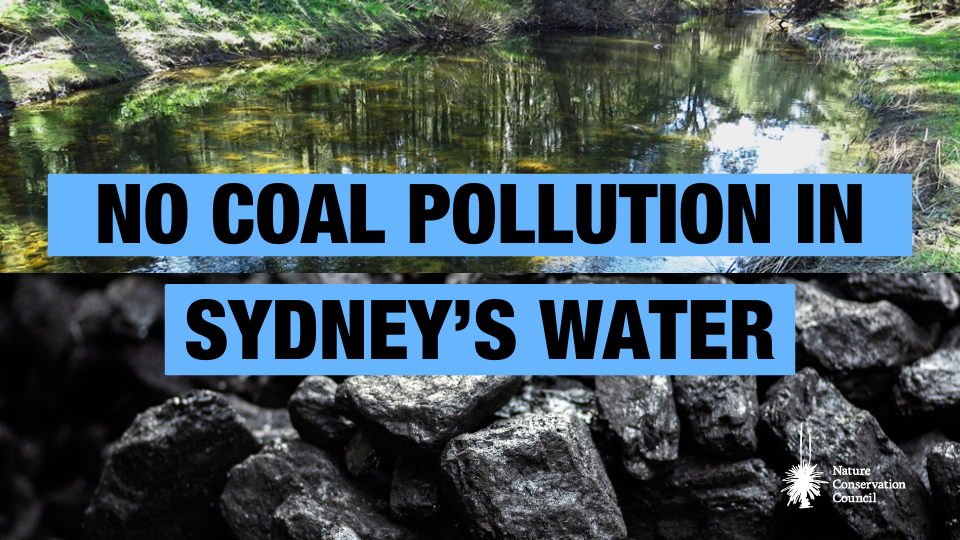
Protect Sydney's drinking water from Centennial Coal's toxic waste

We can reveal that one of NSW’s biggest mining companies, Centennial, has been storing wastewater from coal mine operations and will seek permission to dump it in pristine waterways leading to Warragamba Dam.  

Centennial has not adopted technology that effectively cleans the wastewater of heavy metals, brine and salt toxic to aquatic life in the Blue Mountains World Heritage Area.  

If we don’t act now, it’s possible the NSW Government will let Centennial get away with the unconscionable and release millions of litres of toxic wastewater every single day on our doorstep. 

Sign our petition calling on the EPA to do what it takes to make Centennial clean up its act. 

FIND OUT MORE

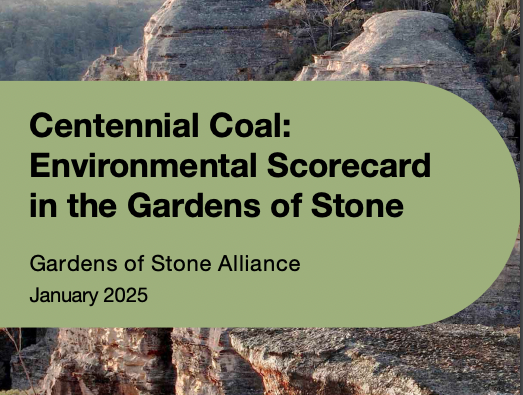
Report: Centennial Coal: Environmental Scorecard in the Gardens of Stone

Nature Conservation Council NSW and the Gardens of Stone Alliance have released a report demonstrating the Centennial Coal's terrible track record through their history of operations around the Blue Mountains World Heritage Area. 

READ THE REPORT HERE

No new coal for NSW

Coal mine companies are ramping up to extend and expand operations to maximise profit, worsening emissions amid the climate crisis. The NSW Government has just approved a four-year extension to the state’s biggest coal mine, BHP’s Mount Arthur.

Climate change is one of the biggest threats to the survival of species. Only 50% of threatened species in NSW are expected to survive the next 100 years.

The proposed Moolarben open cut coal mine expansion in the state’s Central West would decimate threatened species habitat.

We’re calling for no new, extended or expanded coal mines, a cap on emissions that would allow NSW to meet its legislated emission reduction targets, and mandatory rehabilitation for end-of-life mines to maximise habitat restoration, benefit local communities and provide jobs and economic diversification.

FIND OUT MORE