23rd June 2025
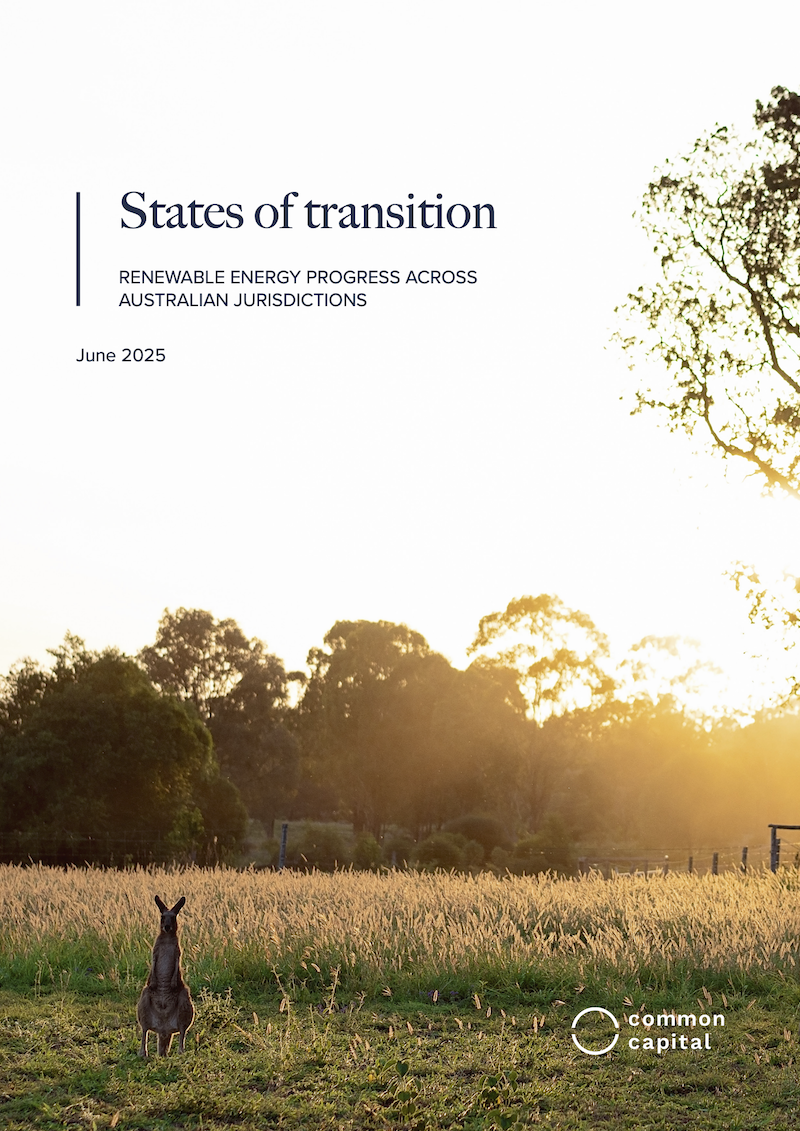
Conservation councils have come together to release a report tracking renewable energy progress across Australia’s states and territories. With only half of all threatened species in NSW expected to survive the next 100 years and climate change a major driver of species loss, we need urgent action. Renewable energy is critical to decarbonise our electricity supplies and address climate change, but the energy transition should not proceed at the expense of local ecosystems.
Key findings
- NSW is currently ranked fourth out of seven states and territories on the percentage of energy currently from renewable sources. We need to wean ourselves off fossil fuels – last year, 63% of our energy needs were met by coal or gas.
- To get there, we need a timely renewable energy transition. There’s an untapped opportunity to get more solar panels and batteries onto homes and businesses fast.
- Most states and territories have enough renewable energy project proposals ‘in the pipeline’ to meet 2030 renewable energy targets. For NSW, we could meet our targets 2.5 times over.
- But a lot of projects never get built, held back by planning system barriers and community concerns, including on nature impacts.
- The NSW Government is tackling planning system roadblocks through a reform package announced late 2024, but there’s more to do to expedite the transition whilst simultaneously ensuring genuine concerns on nature and renewables are addressed
Renewable energy is a once-in-a-generation opportunity
The report finds that nature protection and improved regional planning are the missing link to a successful energy transition.
With the right planning, renewable energy projects can help us give nature a fighting chance. Biodiversity hotspots must be off limits for any form of development, and we need to throw everything into restoring and connecting habitat as we roll out renewable energy.
Renewable projects like the Blind Creek solar farm in NSW combine renewable energy with farming and biodiversity restoration. Communities have a say in and benefit from the project.
What we’re calling for
NCC is working with communities in NSW Renewable Energy Zones and other allies to push for improved strategic planning of renewable projects to promote habitat protection, restoration and connectivity. We’re engaging with the NSW government on the Biodiversity Conservation Act reform and development of the NSW Nature Strategy.
Click here to read the report