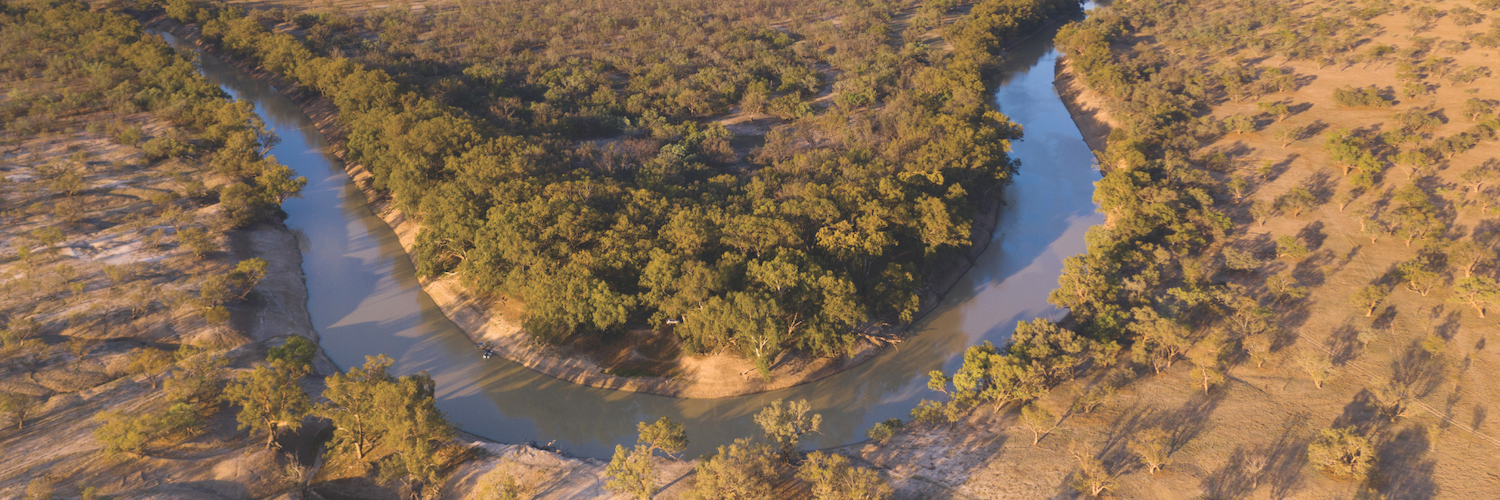
The Darling/Baaka River is more than just a waterway; it’s the lifeblood of western NSW. For hundreds of centuries, it has been the heartbeat of ecosystems, the source of sustenance for communities and a sacred thread of culture for Traditional Owners. But today, this river system faces a crisis. The July 2024 Connectivity Expert Panel Final Report lays bare the urgency of the moment and presents a blueprint to restore health and resilience to the Darling/Baaka and its tributaries. This is our moment to rally behind these recommendations and urge the Minns Government to respond to the report and fully implement its recommendations.
The River’s Cry for Help
What does 'connectivity' even mean? Connectivity means that the water in a river (or a Basin of rivers) is connected and flowing - a very simple concept, and obviously essential for rivers and ecosystems to survive. See our video on connected rivers here. Reduced river connectivity has resulted in catastrophic outcomes, from mass fish kills in Menindee to the vanishing of freshwater mussels and the collapse of waterbird populations. The Connectivity Report identifies over-extraction as a major culprit, especially in the NSW northern tributaries like the Border Rivers, Gwydir, Namoi and Macquarie/Wambuul, which are important water sources for the Darling/Baaka . Without intervention, the natural rhythms of these rivers will be lost, leaving behind barren landscapes and devastated communities.
The Connectivity Report: A Path to Revival
The Expert Panel’s recommendations aim to provide the bare minimum flows that the Darling/Baaka needs for ecological health. See the full report here. Key proposals include:
- Base Flow Protection: Ensure consistent minimum water flows even in non-dry times, creating a resilient river system that can endure droughts.
- Targeted Flushes: Allow at least one small flush to pass through to Menindee Lakes once a year, and a larger flush every two years to revitalise ecosystems, support fish migration, and maintain water quality.
- Floodplain Harvesting Limits: Restrict floodplain harvesting diversions when supplementary water take isn’t allowed, to allow flow pulses to pass downstream.
- Environmental Water Allowance: Prioritise an environmental water reserve to sustain critical flows during droughts.
Why It Matters
Healthy rivers are essential for biodiversity, cultural heritage, and community livelihoods. Gamilaraay Traditional Owner Polly Cutmore recalls a time when the Darling/Baaka always flowed, even in droughts. Farmers like Kate McBride and Garry Hall have witnessed firsthand the devastating effects of over-extraction and are pleading for systemic change.
Implementing the report’s recommendations would mean:
- Restoring the river’s “heartbeat” to prevent mass fish kills and algal blooms.
- Building resilience against climate change impacts.
- Protecting the cultural and spiritual significance of rivers for Traditional Owner communities.
|
|
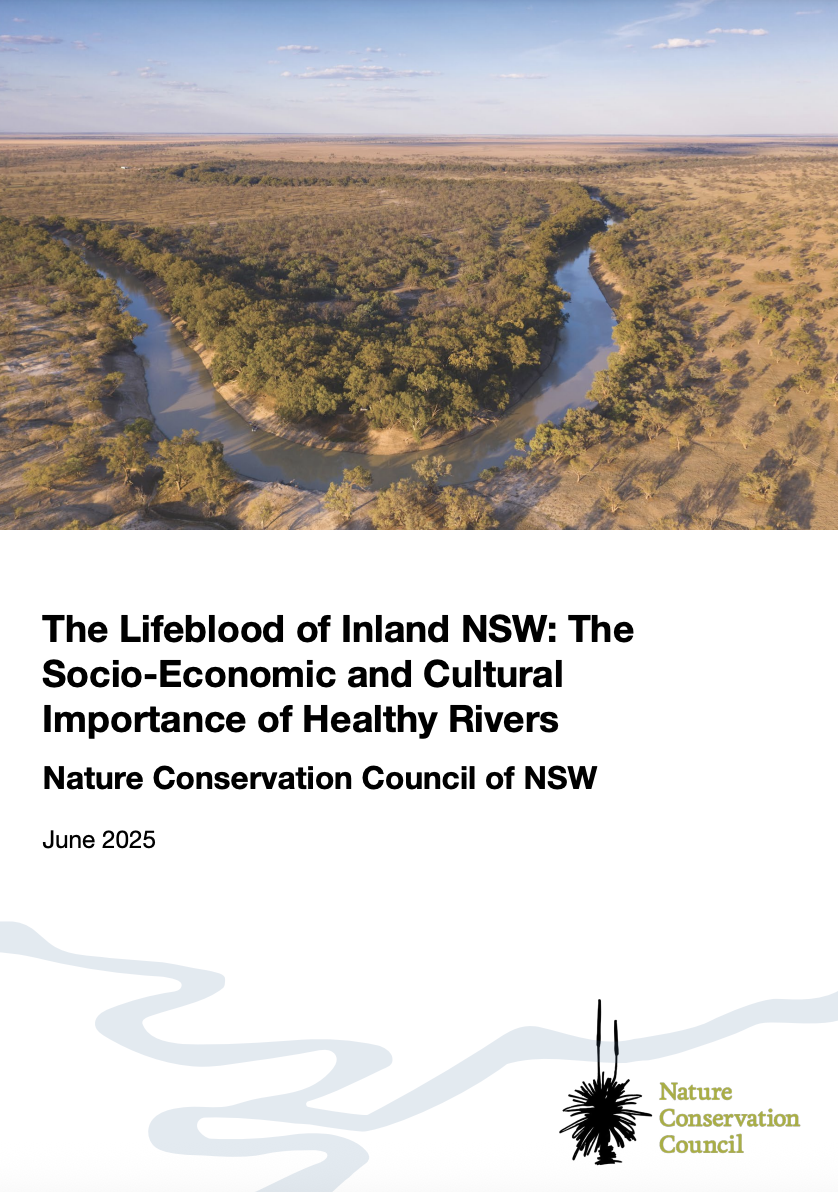
The Lifeblood of Inland NSW: The Socio-Economic and Cultural Importance of Healthy Rivers This report paints a stark picture of life in communities along the Darling-Baaka and its tributaries, where failing river systems are pushing ecosystems to collapse and driving people from the land. It features case studies from across the Northern Basin, highlighting the real human cost of water mismanagement: graziers forced to abandon parts of their properties, families watching their livelihoods dry up, and First Nations people denied their rights to water and connection to Country. |
Time to Act
The NSW Government has the blueprint for change. Premier Minns and Minister Jackson must seize the opportunity to implement these recommendations in full. The time for piecemeal solutions has passed. We need holistic water management that considers the entire river system, ensuring connectivity from the northern tributaries to the Menindee Lakes.