We are pleased to share Keynote and featured speakers for the Nature Conservation Council of NSW's 14th Biennial Bushfire Conference, Can we burn to learn? Sustaining people, nature and Country.
For a full list of speakers and session details, please visit our Preliminary Program.
Opening Address
NSW Rural Fire Service Commissioner Rob Rogers ASFM
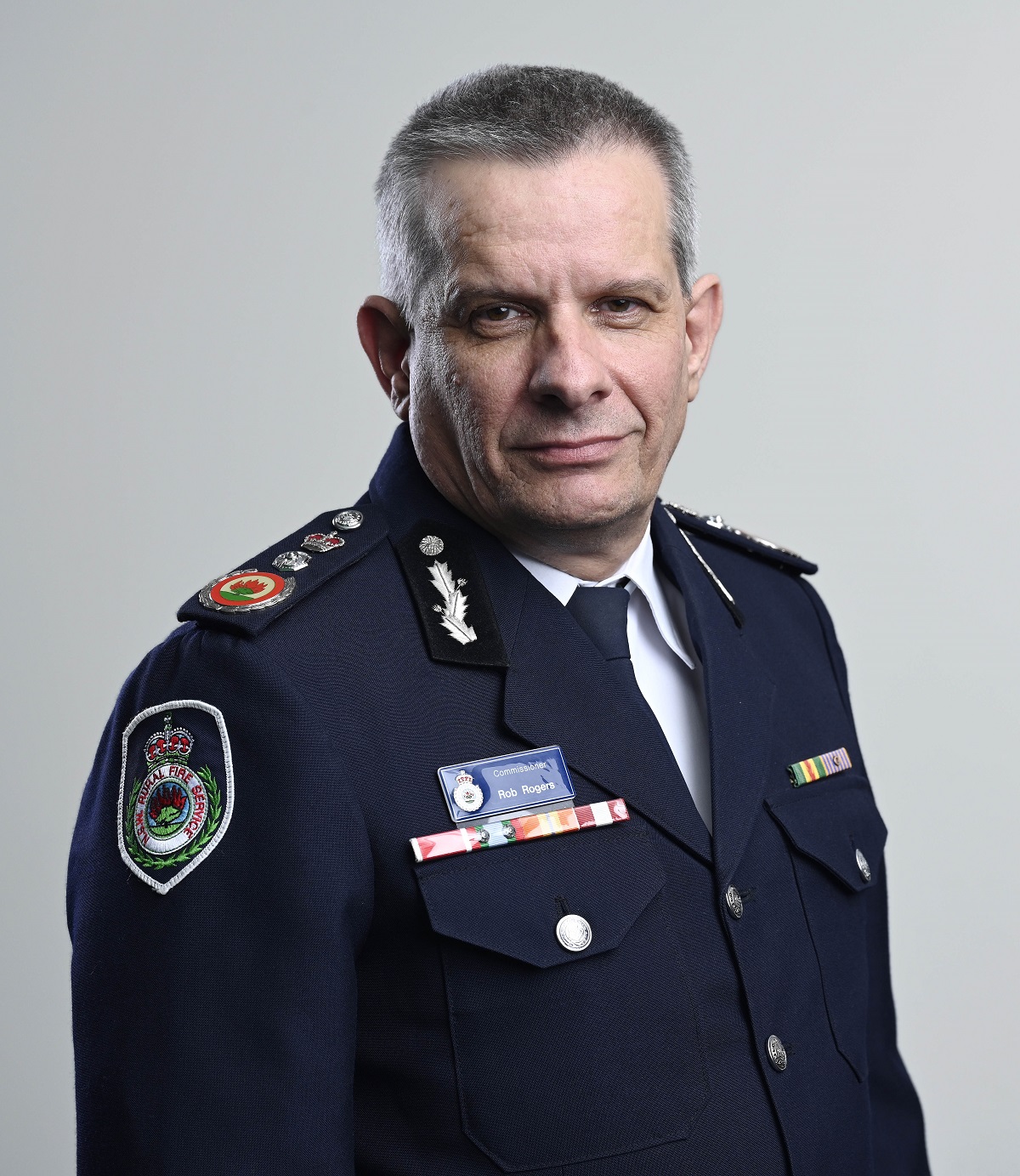
Commissioner Rob Rogers has dedicated over four decades to the NSW Rural Fire Service (RFS), beginning his journey as a volunteer with the Belrose Rural Fire Brigade in 1979. Commissioner Rogers has held various executive roles in the RFS since 2001, including responsibility for Regional Management, Community Safety, and Operations. In 2011 he was appointed to Deputy Commissioner and in July 2020 he ascended to the role of Commissioner. During his tenure, Commissioner Rogers has played a pivotal role in modernising the RFS. He has led the implementation of groundbreaking innovations, including the Australian Fire Danger Rating System (AFDRS), the development of Artificial Intelligence for fire prediction and response, and advancements in aerial firefighting capabilities. After five years as Commissioner, he has announced that he will be retiring during 2025, marking the conclusion of a distinguished 45-year career dedicated to safeguarding the communities of NSW.
Keynotes
Emeritus Professor Ross Bradstock
University of Wollongong
Environmental outcomes of strategic fire management: known knowns and unknowns and the case to 'burn in order to learn'
Emeritus Professor Bradstock was Director of the Centre for Environmental Risk Management of Bushfires (2006 to 2020), University of Wollongong and the NSW Bushfire Risk Management Research Hub (2018 to 2020). He has over 40 years’ experience in fire research and its application to guide bushfire management policies and practices. His work has involved extensive national and international collaborations. He has served as an invited expert witness on two Royal Commissions dealing with major fire seasons and led the technical support provided to the 2020 NSW Bushfire Inquiry by the NSW Bushfire Risk Management Research Hub. He has published over 220 peer reviewed journal articles and book chapters, co-authored/edited 7 books and over 25 major reports.
Emeritus Professor Bradstock will share insights on how the implementation of judicious strategic fire management initiatives can provide a unique opportunity to ‘burn in order to learn’ and thus fill key knowledge gaps in fire ecology.
Professor Don Driscoll
Deakin University
New insights from The Australian Megafire Synthesis
Professor Driscoll is a Professor of Terrestrial Ecology at Deakin University’s School of Life and Environmental Sciences. His research has conservation biology as a central theme, including fire ecology, invasive species management and habitat loss and fragmentation, often with an emphasis on movement ecology. He takes a range of approaches, including manipulative experiments, natural experiments and the application of population genetic techniques. Applications of new technology to conservation problems is a growing area of collaboration, with a focus on developing field-cameras with AI processing that target ectotherms. His research spans taxonomic groups, although is biased towards frogs, reptiles and beetles.
Professor Driscoll will explore how the massive investment in post-fire monitoring after the 2019-20 megafires is enabling exciting new discoveries about what mediates wildfire impact on biodiversity.
Associate Professor Rachael Nolan
Western Sydney University
Forests, fire and carbon stocks: a case-study of the 2019/20 Black Summer fire
Associate Professor Nolan works at the intersection of plant ecophysiology, fire ecology and forest fire management. Her research bridges science, policy and management, aiming to provide an early warning of the risk of bushfires, and to predict their impacts on ecosystems under a changing climate. Rachael has worked in fire ecology since 2005, initially as an ecological consultant. She gained her PhD in 2013 from The University of Melbourne, and is currently the Director of the NSW Bushfire and Natural Hazards Research Centre.
Associate Professor Nolan will present on how changing fire regimes are impacting forest carbon stocks.
Dr. Jack Pascoe
University of Melbourne
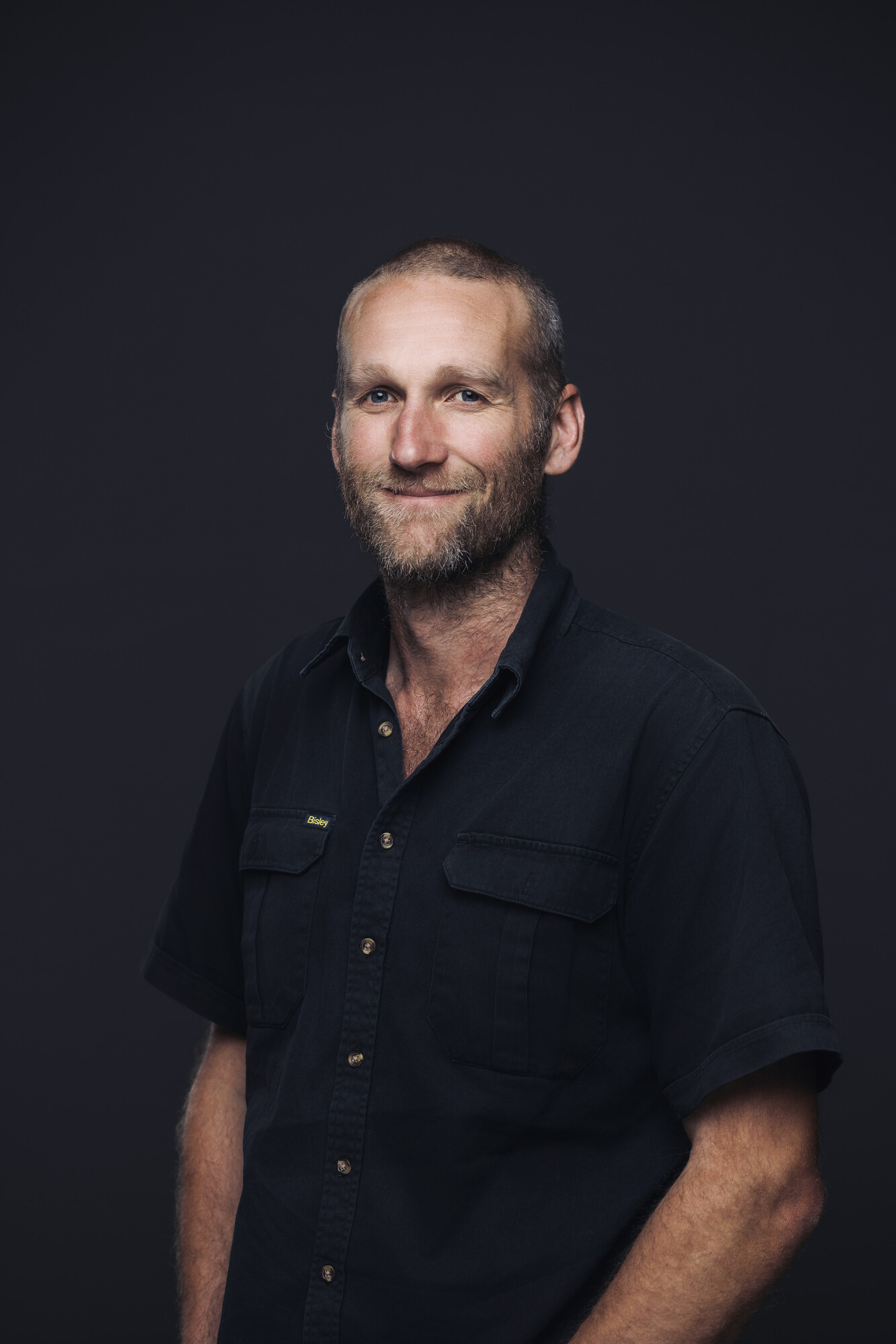
Restoring Biocultural Landscapes in Maar Meereeng
Dr. Pascoe is a Yuin man living on Gadabanut Country. As The Biodiversity Council's Co-Chief Councillor and Senior Research Fellow at the University of Melbourne’s School of Agriculture, Food and Ecosystem Sciences, he focuses on understanding and managing biocultural landscape.
Dr. Pascoe He will share insights into several projects looking to restore biocultural values on Eastern Maar Country.
Dr. Rachel Morgain
Melbourne Biodiversity Institute
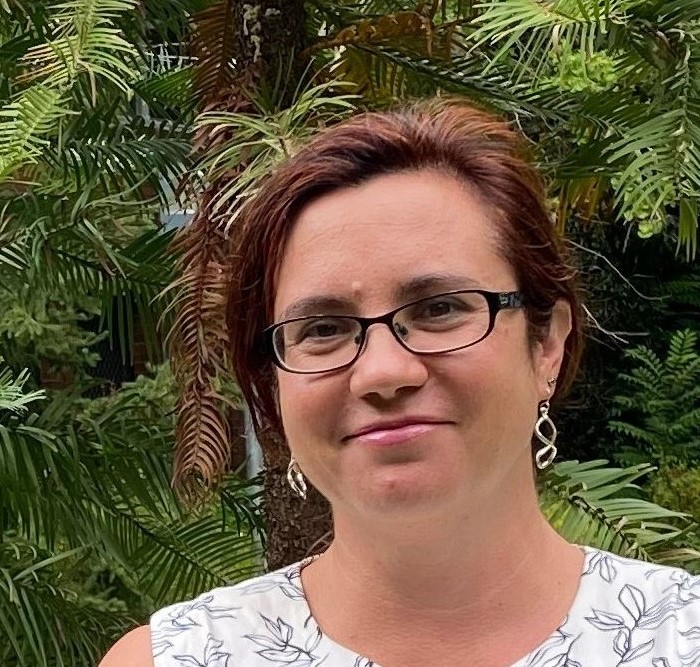
Fostering socio-ecological approaches to addressing systemic risks in bushfire emergency response, recovery and resilience
Dr. Morgain is an interdisciplinary researcher and practitioner who examines how our interlinked cultural, social and knowledge systems shape how we care for nature and Country. Her research includes work on investment pathways through understanding interlinked biodiversity and climate risks in the finance sector and policy decision-making. Since the 2019-20 wildfires, she has worked with natural resource managers and Traditional Custodians on a range of projects on bushfire recovery, climate adaptation, cultural fire and land management, and nature-led resilience.
Dr. Morgain will share approaches on addressing systemic risk in bushfire emergency response, recovery and resilience.
Greg Mullins
Emergency Leaders for Climate Action
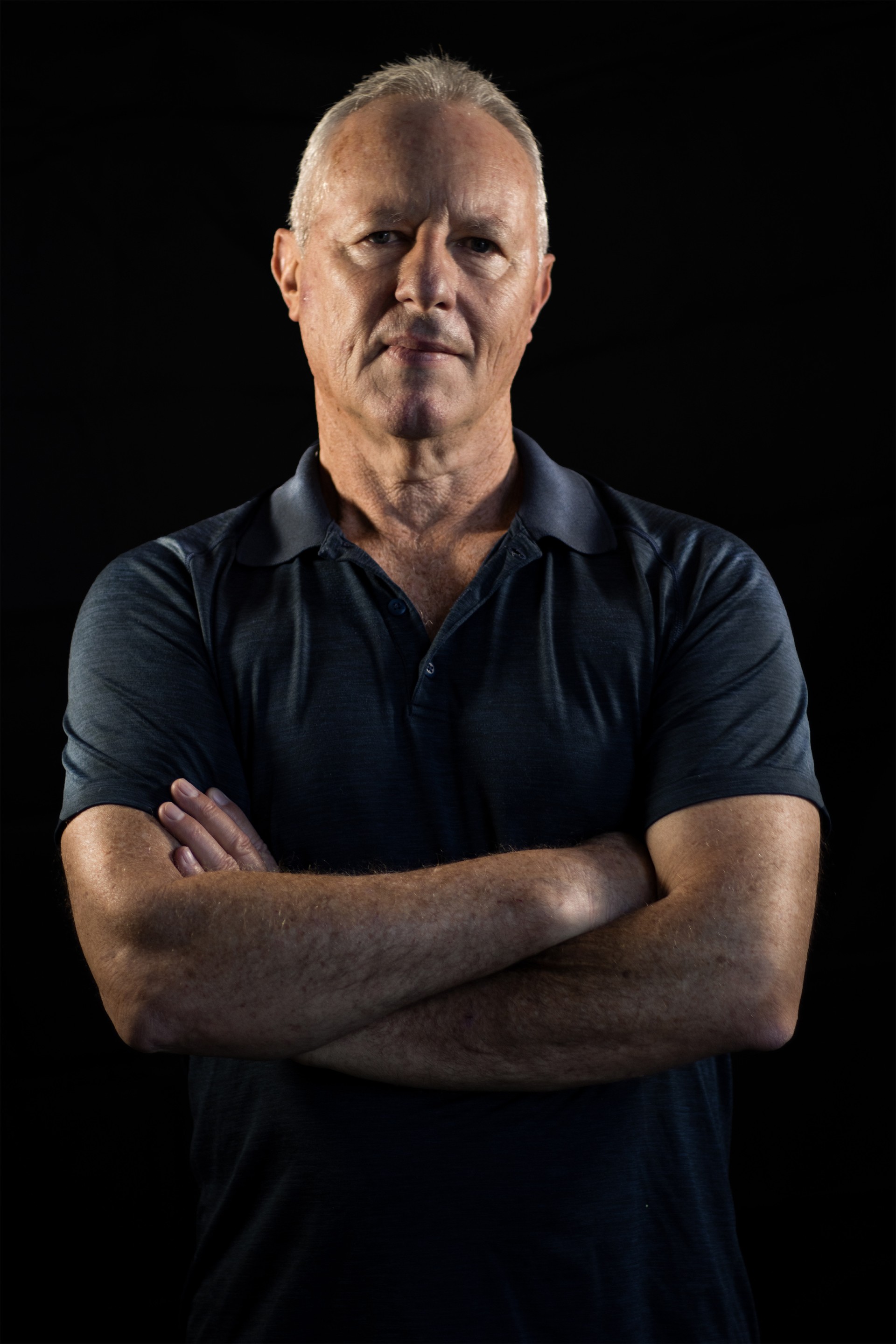
Los Angeles and wholesale destruction: could it happen here?
Greg Mullins has been fighting fires since 1971 both as a volunteer and career firefighter. He was the longest serving Commissioner of Fire & Rescue NSW in over a century, completed a Churchill Fellowship on bushfire control in 1995, and is the author of “Firestorm. Battling supercharged natural disasters”, which details how climate change has changed bushfire risk over the last 50 years. In 2019 he formed Emergency Leaders for Climate Action and is a Councillor with the Climate Council. He is currently a group officer with the NSW RFS and a member of the NSW Bushfire Coordinating Committee.
Greg will discuss how another Black Summer is inevitable, it is just a case of when.
Oral Presentations
Dr. Philip Zylstra (Curtin University, Australian National University)
Can we learn?
Dr. Zylstra is a fire behaviour and forest ecology scientist, coming from a background in fire management and remote area firefighting. His work uses empirical analysis coupled with complex modelling to re-establish the link between fire risk management and forest ecology.
Dr Zylstra will summarise what has been discovered about the efficacy of prescribed burning over six decades and examine whether Australian fire management has learnt and adapted to this knowledge.
Dr. Robert Kooyman (Macquarie University)
Deep-time history and contemporary Australian rainforest ecology: the fiery debate
Dr. Kooyman is a botanist and ecologist with a focus on evolutionary ecology, paleobotany, and rainforest ecology. Some of his current research includes projects focused on the origins, biogeography, and assembly of rainforests and Gondwanan lineages in Australia and Southeast Asia, rainforest fire responses, and the development of ecosystem typologies with MBG in West Africa.
Dr. Kooyman will present on fossil evidence showing that Australian rainforest margins with large emergent Myrtaceae species preserve ancient, still evolving, and globally significant forest interactions that should be prioritized for protection, restoration, and research.
Kellie Langford and Patrick Schell (NSW National Parks and Wildlife Service)
A New Approach to NPWS Reserve Bushfire Planning
Kellie Langford is a Senior Planning Officer in the NPWS Fire and Incident Operations Branch. Prior to working for NPWS, she spent many years in the bushfire and environmental sector working across private, local and state government roles. Patrick Schell is the Manager of the Planning Unit within the NPWS Fire and Incident Operations Branch. He has more than 20 years’ experience in the bushfire and environmental management industry. Patrick’s main area of expertise lies in bushfire risk management along with the development of policy and planning frameworks.
They will share how NPWS reserve bushfire planning is shifting to a more agile approach that is responsive to changes in risk including large scale bushfire events and is better integrated with the NSW coordinated firefighting arrangements.
Dr. Ross Peacock (NSW National Parks and Wildlife Service)
When the NSW rainforests burned in 2019/20, impacts and post fire monitoring outcomes
Dr. Peacock manages the Bushfire Risk and Evaluation Unit for NPWS and holds several academic adjunct appointments and co-supervises three PhD candidates. In 2007 he commenced establishing the Gondwana Rainforests of Australia plot monitoring network across northern NSW building on data sets originating in the 1930s.
Dr. Peacock will share insights from a range of impact assessments, monitoring programs and research projects established to understand the landscape and litter bed drivers of wildfire occurrence in rainforest and document recovery mechanisms and trajectories.
Vikki Parsley and Alistair Hartley (Bush Heritage Australia)
Culturally led Burning – learning from the past to sustain people, nature and country into the future
Vikki Parsley is a Yuin Wiradjuri woman from NSW who has been working in the conservation sector for more than 25 years, championing culturally led conservation and demonstrating, on an international level, that culturally led burning has a critical role in today’s ever-changing environment due to climate change.
Alistair Hartley has worked for Bush Heritage Australia for just over 3 years, working with various indigenous groups around Australia assisting them to do culturally led burning. Prior to this, he worked for Queensland Parks and Wildlife Service for 13 years, most recently as Senior Ranger for Sandstone based in Roma.
They will present on how cultural burning is a proactive means to managing fire risk and a way of reducing carbon emissions
Dr. Scott Mooney (University of New South Wales, Sydney)
Twentieth Century change in the fire regimes of the Greater Blue Mountains World Heritage Area as recorded in the accumulation and Raman character of charcoal in Temperate Highland Peat Swamps
Dr. Mooney’s research primarily concerns reconstructing aspects of past environments and environmental change with a particular focus on climate and human impacts. This includes investigating the fire (pre-)history of the humid environments of eastern Australia, primarily via the use of high resolution (macro-) charcoal analyses.
Dr. Mooney will present on recent research to address this question ‘are fires getting worse?’ in the Greater Blue Mountains World Heritage Area.
Stay tuned as more speakers are announced!
https://www.nature.org.au/bushfire_conference_2025
https://events.humanitix.com/ncc-bushfire-conference-2025
Nature Conservation Council of NSW would like to acknowledge the generous support of our conference sponsors: