The Australian Network for Plant Conservation (ANPC) was established in 1991, initially as an informal group for networking for delegates who had attended an ex-situ plant conservation conference at the Australian National Botanic Gardens that year. Prior to this, the approach to ex-situ conservation (protecting an endangered plant outside its natural habitat eg. seed collecting, plant collections) in Australia was largely uncoordinated and there was a lack of communication between organisations involved in plant conservation actions and decision making.
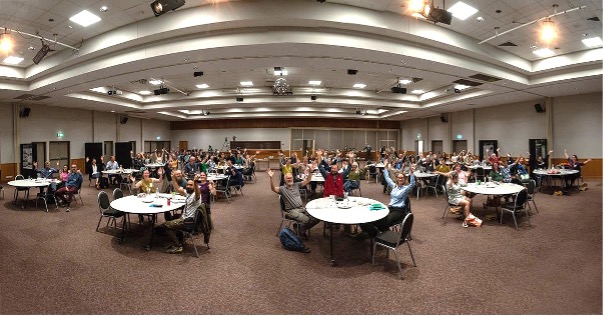
Attendees at the APCC13 Conference in Albury in 2022
The ANPC is a national not-for-profit organisation with a mission to “Promote and develop plant conservation in Australia”. We bring people together, (such as scientists, researchers, land managers, consultants, practitioners, community groups, volunteers and students) from across Australia to collaborate, network, inspire and share information in an effort to conserve our native plant species and vegetation communities, prevent further extinctions and restore our bushland and biodiversity.
To achieve this we:
- hold training workshops, webinars and conferences.
- publish guidelines like how to propagate and translocate threatened plants back into the wild.
- publish a quarterly journal Australasian Plant Conservation (APC), website resources and a monthly newsletter.
- coordinate high priority projects with multiple stakeholders.
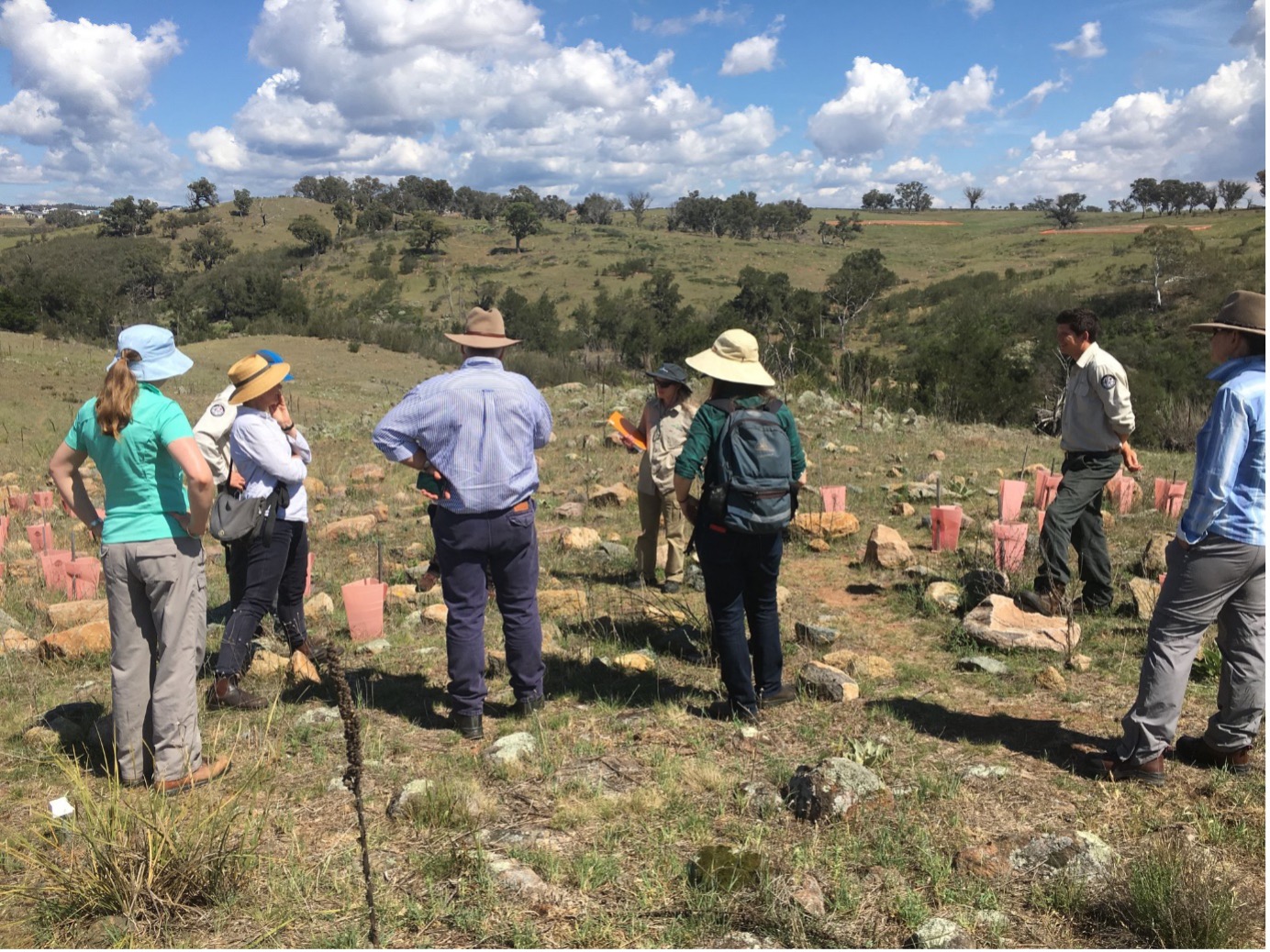
APCC12 Conference field trip attendees visit a Button Wrinklewort translocation site in the ACT, 2018
The ANPC has approximately 300 members including both individuals and organisations) such as herbaria, botanic gardens, seedbanks, local environment groups, government agencies and corporations. Membership fees are an essential part of our financial base, and members are the lifeblood of our network. You can join us here!
Our major focus at the moment is the upcoming 14th Australasian Plant Conservation Conference (APCC14) which will be held in Toowoomba from 13-17 October 2024. The theme for this year’s conference is “From little things…” which is all about recognising and celebrating local conservation actions, and how they can grow into bigger movements for the protection of plant biodiversity and ecosystem conservation more broadly. We have a wonderful and inspiring list of speakers for the conference, along with fieldtrips to areas of great cultural and ecological significance.
Other projects we are currently working on (with partner organisations) include Myrtle Rust recovery projects, the Queensland Threatened Plant Network, plant surveys following the 2019/2020 megafires and Preventing the Extinction of Victoria’s Threatened Flora.
We’ve also recently established a committee for a project to help promote careers in plant conservation to schoolkids and would be very keen to work with anyone in the NCC network who would like to help us work towards this. If you’d like to get involved, please get in touch with us at [email protected], or subscribe to our e-news for announcements.
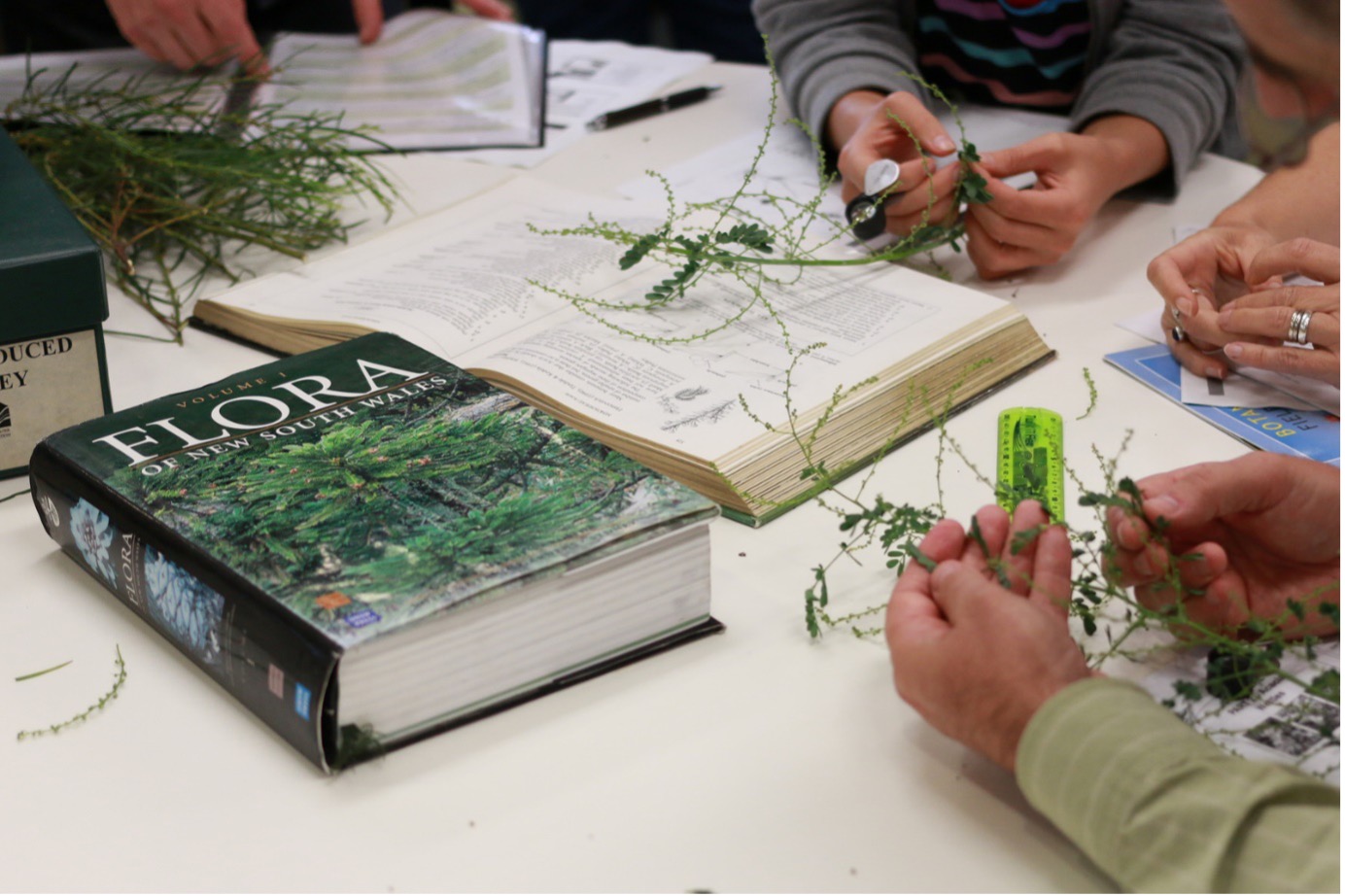
An ANPC-organised plant ID workshop in the Hunter Valley in 2014
The ANPC has been a member group with the NCC for over 10 years now. We find it a valuable way to keep up-to-date and informed on what’s happening in the nature conservation space in NSW. We especially like to promote the Bushfire conferences to our members.
Our native plants are under increasing threat due to invasive species and diseases, changing fire regimes, land clearing, grazing, climate change, droughts, floods and cyclones. Around 90% of our plants are found nowhere else in the world and over 1400 are listed as threatened nationally (more than double the number of threatened animals at 587 which includes mammals, reptiles, birds and fish). We urgently need to save these plants from extinction. 36 are already extinct.
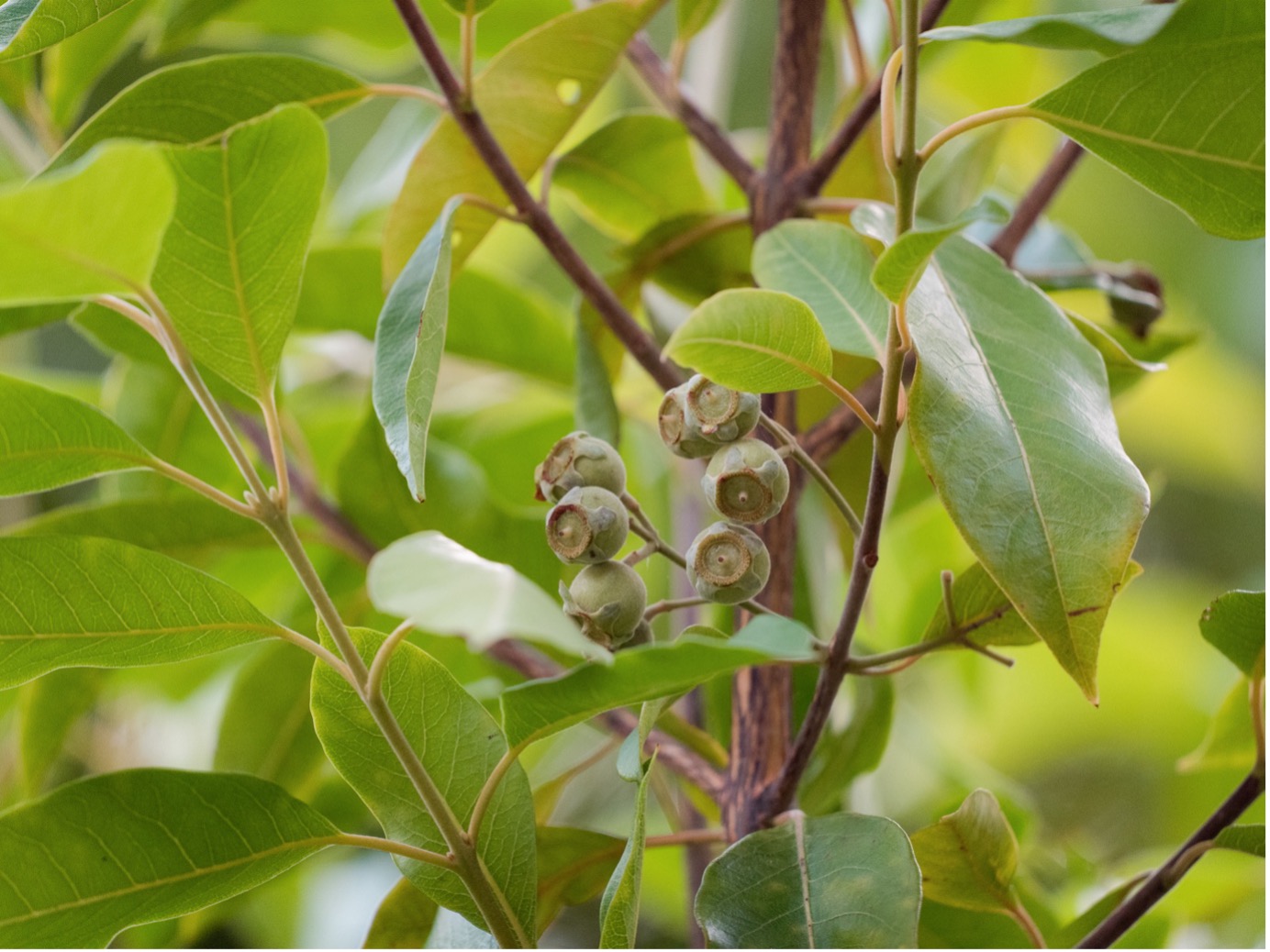
Native guava (Rhodomyrtus psidioides) which was once relatively commonly seen in northeastern NSW rainforests, is now critically endangered due to the pathogen Myrtle Rust
Planting native species in your garden that are local to your area (also known as local provenance) is a fantastic way to help. They will also provide suitable food and habitat for all kinds of local native wildlife – especially birds, bats, bees and a wide variety of insects. Contact your local council to find out what native plants grow in your area. A mixture of plants selected to reflect the balance (between trees, shrubs and groundcovers) that originally occurred before disturbance is also good. On a larger scale, restoring native landscapes through planting local provenance plants is vitally important for preserving the biodiversity unique to a given area, and helping to minimise the impacts of climate change.
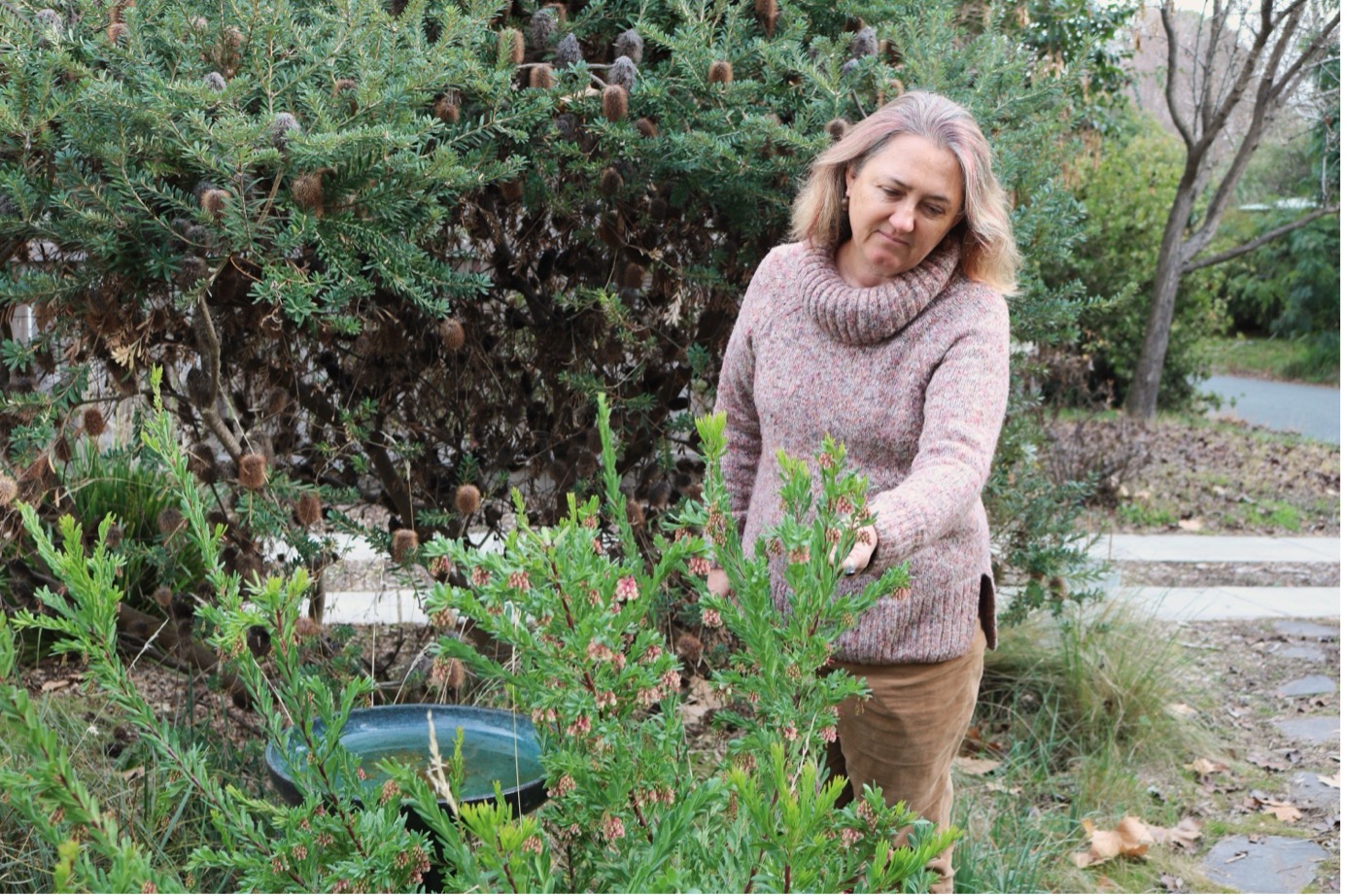
Business manager Jo Lynch with an endangered Wee Jasper Grevillea (Grevillea iaspicula) which is growing in her yard